
Summer 2026
Welcome to another edition of Whole You, a newsletter from Sunshine Health.
As we transition into the end of summer, we wanted to share with you the latest edition of Whole You, a newsletter from Sunshine Health. In this edition you’ll find:
- Urgent Care or the Emergency Room? Know Where to Go
- Five Tips for Healthy School Lunches
- Important information on our mobile app
- And more.
Did you miss the Spring 2026 newsletter?
We hope you enjoy this issue and that it helps you take care of the whole you.

As a member of Sunshine Health, you and your family have expanded benefits through the YMCA. Individuals or families with up to four members can qualify for free membership, with access to free standing YMCA facilities and Y360 virtual platform.
Access childcare and swimming lessons by contacting your local YMCA.

Did you know you can earn My Health Pays® rewards from Sunshine Health when you complete certain healthy actions? Activities such as completing your health screening, yearly wellness checks, and tests.
Visit Rewards to learn more about My Health Pays® rewards. Don’t forget, you can use your rewards to make purchases or pay for a variety of services:
- Utilities
- Transportation
- Telecommunications
- Childcare services
- Education
- Rent
Or, you can use them to shop at Walmart for everyday items.**
**This card may not be used to buy alcohol, tobacco, or firearms products.

When you feel sick or hurt, it can be hard to know where to go for help. Should you visit urgent care? Or should you go to the emergency room (ER)? Choosing the right place can help you get care faster and may cost less. It can also help make things feel easier.
When to Go to Urgent Care
Urgent care is for health problems that need care today but are not life-threatening.
Some examples of when to go:
- A sprain or strain
- A small broken bone, like a finger or toe
- Fever or flu symptoms
- Mild stomach pain
- Mild asthma or allergy symptoms
- A sore throat, sinus pain, or ear pain
- Minor burns or rashes
Urgent care may provide:
- X-rays
- Stitches for small cuts
- Breathing treatments
- Tests for strep throat, flu or COVID
- Medicine for fever, vomiting or diarrhea
When to Go to the Emergency Room (ER)
The ER is for serious or life-threatening emergencies. People with the most serious problems are seen first.
- Some examples of when to go:
- Chest pain or trouble breathing
- A serious head injury or passing out
- A large broken bone, like a hip or leg
- A severely broken bone, like a bone that pierces through the skin
- A seizure
- Heavy bleeding that will not stop
- Signs of a heart attack or stroke, such as loss of vision, drooping face, numbness in one arm or leg, or difficulty speaking
- Poisoning
- A drug overdose
The ER may provide:
- Lifesaving care for heart attacks and strokes
- Advanced trauma care for severe injuries
- Treatment for serious head injuries
- Help with severe allergic reactions
- Emergency care for pregnancy-related complications
- Advanced tests and imaging
Where Do I Go? Here are a few everyday examples:
- Flu symptoms: Go to urgent care for fever, cough or sore throat.
- Chest pain: Head straight to the ER if there are any signs of a heart attack.
- Sprained ankle: Visit urgent care for an exam and X-ray.
- Allergic reaction: Go to the ER if you have trouble breathing or facial swelling.
For life-threatening emergencies, call 911 or go directly to the ER. If you or a loved one is having a mental health crisis, you can call or text 988 for 24/7, private, cost-free help.
Visit Accessing Care to learn more.

Packing school lunches can feel rushed. But lunch is a great chance to help kids eat healthy foods and try new things. Here are five simple tips to make healthy lunches that kids will enjoy.
- Use Foods You Already Have
Try new ways to make meals with food from home. Instead of deli meat, use baked or grilled chicken or turkey. These have less salt and more protein. You can roll chicken, cheese, and lettuce in a tortilla. Cut it into small pieces so it is easy to eat. Leftover chicken can also be cut into small bites. You can even make turkey taco roll-ups with whole-grain tortillas. - Add Crunchy Foods
Crunchy foods can be healthy and fun to eat. Apples, celery, baked chips, and nuts are good choices. Apples have vitamin C and fiber. Pair apple slices with cheese for a tasty snack. Put chicken and grapes on celery for a light chicken salad. Mix different unsalted nuts to make your own trail mix. - Swap Out Chips
Instead of regular chips, try popcorn, veggie straws, or crackers. Look for popcorn with little or no salt. Choose baked or low-salt crackers made with whole grains. Veggie straws made from real vegetables can help kids eat more veggies. Always check food labels and avoid snacks with too much salt or added sugar. - Try Easy Dips
Dips can make fruits and vegetables more fun. A yogurt dip with low sugar is great for fruit. Greek yogurt adds extra protein. For veggies, try dips made at home instead of store-bought dressings. Mashed avocado, hummus, or yogurt with herbs are good options. Cut veggies into thin sticks so they are easy to dip. - Make Fruit Fun
Fruits help kids stay healthy and strong. They have vitamins that help fight sickness. Try mixing berries together for a colorful fruit cup. You can also make fruit on sticks using different fruits. Pack yogurt, fruit, and granola separately so kids can make their own parfait. Cottage cheese with peaches or apple slices with nut butter are other easy ideas.
Stock Up on Essentials with Sunshine Health’s Food Pantry
Our Sunshine Health Community Connection Centers provide fresh and shelf-stable groceries to you at no cost.
Serving the entire state of Florida across 10 locations, find your local Sunshine Health Community Connection Center.
All our centers operate a food pantry on the third Thursday of every month, from 9 a.m. to 12 p.m. You do not need to book an appointment. We serve everyone* on a first-come, first-served basis.
*You do not need to be a Sunshine Health member to receive food.

As the back-to-school season approaches, it brings changes that can challenge those with mental health disorders.
The Centers for Disease Control and Prevention (CDC) reported emergency room visits for mental health conditions among children and teens mirror their academic calendar, with higher visits during the fall and spring semesters compared to summer break.
Common Triggers
Changes in schedules, time management, and social interactions can increase symptoms of mental health conditions.
During times of transition, it is important to center your mental health and create a personal network. A network could include family, friends, or mentors who you can reach out to for support.
Signs of a Crisis
- Behavioral symptoms: self-isolation, recklessness, and academic decline
- Emotional symptoms: anxiety, rapid mood swings, and hopelessness
- Cognitive symptoms: inability to concentrate or a loss of touch with reality
If you or a loved one is experiencing these symptoms, seek help using the provided resources below.
Valuable Resources
- Remember the 988 Suicide & Crisis Lifeline. Dial 988 for confidential, free, 24/7/365 support from a trained counselor for mental health, substance use or suicidal crisis.
- The Florida Department of Children and Families offers a list of Substance Abuse and Mental Health Mobile Response Teams, which includes contact information.
- Find help from Sunshine Health Connects
- For any life-threatening emergencies, always call 911.
For more resources, check out our behavioral health crisis guide.
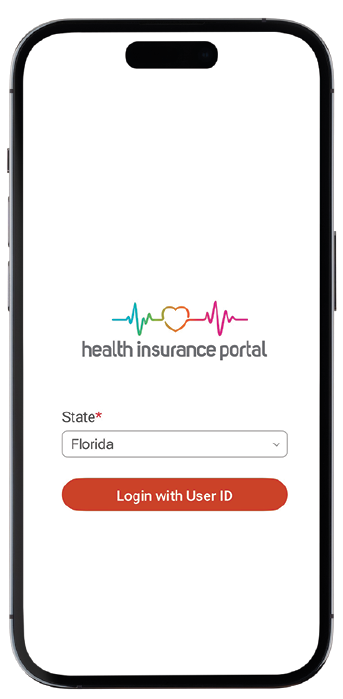
Get the Health Insurance Portal mobile app to stay connected with Sunshine Health and informed on the go. Our mobile app is a convenient and secure tool, to help you take control of your health.
Search for Care: Find doctors and urgent care near you, change your primary care doctor and more.
View Your Benefits: See the benefits and services available to you.
Access Your Member ID Card: Open and share your digital member ID card in the app or save it to your mobile wallet.
Take a Health Quiz: Let us know your health needs to better serve you.
Let Us Know You’re Pregnant: We can connect you to programs and services for a healthy pregnancy.
How to Get Started
- Download the App: Search for “Health Insurance Portal” in the App Store or Google Play.
- Select Florida from the “state” drop down menu.
- Log In: Use your member portal login or create an account to get started.