
Spring 2026

Welcome to the latest edition of Whole You, a newsletter from CMS Health Plan that helps you get the most from your child’s health benefits.
We have lots to share with you. Learn how to fight seasonal allergies, find the perfect helmet fit, and check in on your child’s mental health. Plus, use the CMS Emergency Guide to prepare for Hurricane Season, which starts June 1.
We hope your family has a great, safe summer. In case you missed it, make sure to read our Winter 2025 newsletter.

Florida hurricane season starts on June 1 and runs through November. CMS Health Plan can help you prepare and keep your family safe.
Use our Emergency Guide to build a disaster kit and make a plan so that everyone in your family is ready if a storm comes your way.
One of the most important parts of your planning is knowing where your family will go during a hurricane. If your child has special medical needs, there are special storm shelters around Florida. These shelters offer more support than general shelters, including help with daily tasks or help with medical devices.
If you think your family may need space in one of these shelters, it’s important to pre-register early. This helps your local emergency management team prepare for the support your child and family may need.
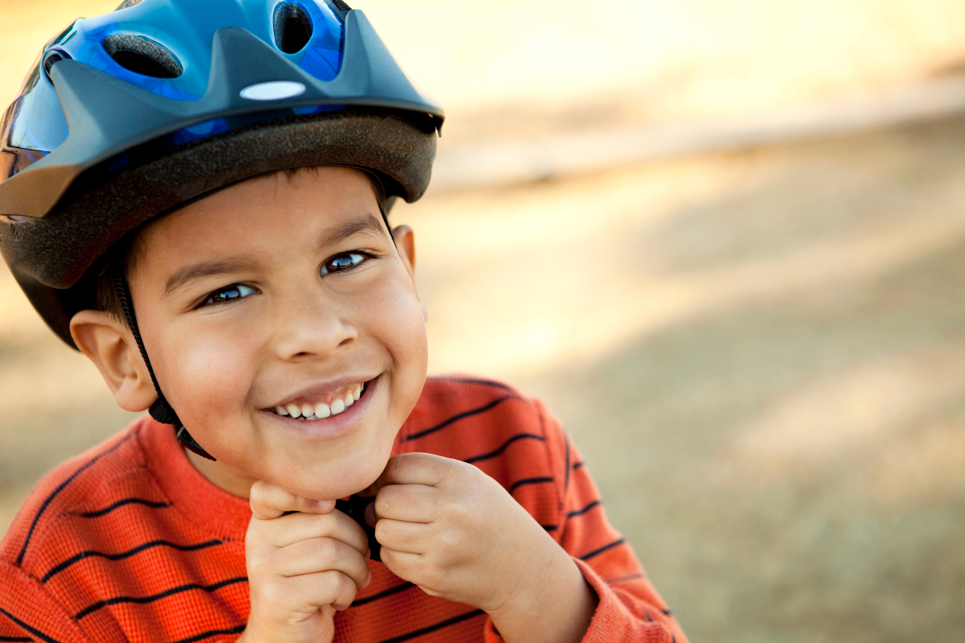
If your child is rolling around the neighborhood on their bike, scooter, or skates this summer, make sure they wear a helmet on every ride.
Head and brain injuries during these activities are common. Sometimes, they can be deadly. Helmets can help lower the risk of your child hurting their head if they fall.
How to get the right fit
- Size: A helmet should be snug, but make sure it isn’t too tight. It shouldn’t move around too much. Have your child shake their head to make sure it stays in place.
- Position: A helmet should sit level on your child’s head. Make sure it isn’t tilted back or forward so it covers all of their head.
- Straps: Helmet straps should form a Y shape and buckle below your child’s chin. Tighten the straps so that no more than one finger fits under it.
How to make helmets a habit
- Teach your child to wear a helmet as soon as they show interest in ride-on toys.
- Let your child pick a helmet they like.
- Explain to your child how a helmet keeps them safe.
- Always wear a helmet yourself to be a good example.

Taking medication on time every day, exactly as prescribed, helps children with chronic conditions avoid pain and complications. It can also reduce the risk of hospital visits.
For conditions like asthma, diabetes, sickle cell disease, ADHD, epilepsy, and more, medications can help children feel and function better. But they only work if they’re taken regularly.
Not following a doctor’s instructions can lead to flare-ups or setbacks for your child. Try your best to give each dose on time, and never start or stop medication without talking to the doctor first.
Medication Tips
- Link medication time to another daily routine, like brushing teeth or eating a meal
- Keep a checklist or use a pillbox to track doses
- Set reminder alerts on your phone, clock or watch
- Work with your child’s school nurse to ensure doses are given on time
If your child doesn’t like taking their medicine, it can help to explain to them how their medicine works and how it can make them feel better. If you aren’t sure how to explain or answer their questions, ask their doctor or Care Manager for help.
Note: Some medications are eligible for 100-day refills instead of the usual monthly refill. This can help cut down on trips to the pharmacy. Check the list to see if your child’s medication qualifies. If it does and you’d like to switch, contact your child’s doctor.

Did you know May is Child Mental Health Awareness Month? It’s a great time to learn how to talk to your child about their thoughts and feelings.
You can start with a simple check-in once a week. Here are some questions suggested by the National Alliance on Mental Illness:
- What is your favorite way to relax or de-stress?
- How are things going with your friends?
- What has been taking up most of your mental energy lately?
- Do you feel anxious? If so, what leads to that feeling, and what does anxiety feel like to you?
- Who or what is inspiring you the most right now?
- What has been your favorite part of the week so far?
- What new activities or hobbies do you want to try?
- What’s something exciting that you are looking forward to?
- Do you feel like you have too many responsibilities? How can I support you?
- What’s the best way for us to connect? What can I do to encourage you?
If your child needs emergency mental health support, you can call our 24/7 Behavioral Health Crisis Line anytime at 1-866-799-5321 (TTY 1-800-955-8770). You can also text or call 988 to reach the 988 Suicide & Crisis Lifeline.
Remember: If your child visits the hospital for behavioral health, it’s important that they have a follow-up appointment with a behavioral health provider within one week of discharge. Members who complete the follow-up visit will earn a $20 reward. Learn more about rewards.
Source: Ten Question Tuesday (PDF)

Hanging out with friends is good for your body and brain. Being social and around people who make you smile can help you feel happy, lower stress, and even keep your heart healthy. Make this time even more valuable and add some movement. Here are five easy and fun ways to get exercise while having fun with your friends.
- Team Up. Join a local league for softball, soccer, basketball, kickball, or another sports interest. Don’t worry if you’re not a star player. Most leagues offer options for different age groups or experience levels. You may be able to find groups that are just for fun. Structured group activity provides exercise on a regular schedule.
- Go for a Hunt. You don’t have to break a sweat to get your body moving. Get a scavenger hunt together with friends and family. Use a mobile app that can set most of it up for you. Walking from clue to clue can help strengthen your bones and muscles.
- Window Walk. Rainy? Too hot or cold outside? Head to the mall or covered shopping center with friends to be active in all weather. Keep it fun and window shop along the way. Choose spots where you can speed up and slow down to keep your heart rate up. Add some stairs if you can for an extra challenge. Walking helps you work on your heart health and can boost your mood.
- Play Video Games. Look for active video games that get you moving. From bowling to archery to dancing, try something to get your heart pumping instead of just sitting on the couch. Make it a group competition and burn some calories.
- Go Bowling. You’d be surprised how the action of throwing a bowling ball helps strengthen and tone your muscles. Additional health benefits include better hand-eye coordination and improved flexibility and balance. Plus, getting up and down for your turn adds more steps to your day.

Allergy season is here. Allergens, like pollen, can cause sneezing or coughing, congestion, itchy eyes, and more. Use these tips to help your child find relief:
- Check the index. Most TV news stations include allergy forecasts in weather reports. You can also search for websites and apps that can tell you about current pollen levels in your area.
- Stay inside. Choose indoor activities to limit your child’s exposure to allergens, especially when pollen counts are high.
- Keep windows up. Keep windows closed at home and in the car to keep allergens from getting inside.
- Filter out. Change air filters in your home and car regularly for the cleanest air flow.
- Sleep clean. Make sure your child takes a bath or shower before bed to keep their pillow and sheets allergen-free.
- Get tested. If your child has trouble with allergies, ask their provider about an allergy test to learn about your child’s specific triggers.
If your child is diagnosed with asthma, they may have worse allergies or allergy symptoms. There may be special benefits available to help. Read our CMS Health Plan Asthma Guide to learn more.

Sunshine Health’s Community Connections Centers are spread across Florida and open to the public as places to gather, learn and connect.
Members can visit to get help managing health plan benefits and get connected to social services and community support. Visitors can also access computers, the internet, and other resources. Contact your local center for a schedule of events.
Monthly Food Pantry
Community Connections Centers host monthly food pantries. Visit to get fresh and shelf-stable foods for your family. Pickup is from 9 a.m. to noon on the third Thursday of each month. All are welcome on a first-come, first-served basis. You do not need to be a Sunshine Health or CMS Health Plan member to get food from the pantry.